Nutrition & Recovery for Young Athletes In-Season: The Often-Ignored Secret to Staying Healthy & Performing Better
September 28, 2026
Young athletes' nutrition and recovery needs change in-season. Learn what to feed your athlete, how to support recovery, and why it matters more than you think.
The Unspoken Crisis in Youth Sports
Your athlete just finished an intense game or tournament. They're exhausted, hungry, maybe a little sore.
What happens next?
For most young athletes: they grab some pizza, head home, and sleep.
For elite young athletes: there's a strategic recovery plan that starts within 30 minutes of finishing.
Here's what most parents don't realize: your athlete's body is under massive physiological stress during in-season competition. Without proper nutrition and recovery support, their performance declines, injuries increase, and that exciting fall season can end prematurely.
This article covers the science of nutrition and recovery for young athletes during in-season play and why it's just as important as the training itself.
Why Competition Season Changes Everything
Let's start with physiology.
During off-season training, your athlete might practice or train 4-5 days per week. During in-season play, they're doing:
- Team practices (higher intensity because games are coming)
- Competitions or games (1-3 per week, demanding everything they have)
- School, homework, social obligations
- Growth and development (they're still kids)
All of this doesn’t just increase activity levels compared to the off-season, it multiplies the stress on their body.
What Happens Physiologically During Competition Season
Energy Depletion:
- A 90-minute soccer game burns 1,000-1,500 calories for a young athlete
- A basketball tournament (3 games in 2 days) = 3,000-4,500 calories burned
- Add team practices (500-800 calories each) and conditioning, and total weekly energy expenditure can hit 5,000-8,000 extra calories compared to the off-season
If your athlete isn't eating enough to support this, their body starts breaking down muscle tissue for energy. Performance declines. Injuries increase.
Hormonal Stress:
- Intense, repeated competition elevates cortisol (the "stress hormone")
- High cortisol suppresses immune function (more colds/illness)
- High cortisol slows recovery and increases inflammation
- Without proper nutrition, these hormonal imbalances worsen
Muscle Damage & Inflammation:
- Every game creates microscopic tears in muscle fibers (that's how muscles adapt)
- Without adequate protein and nutrients, these tears don't repair optimally
- Inflammation builds up → soreness increases → performance decreases
Glycogen Depletion:
- Muscles store carbohydrates as glycogen (their primary fuel)
- High-intensity competition drains glycogen stores
- Low glycogen = poor performance, fatigue, and increased injury risk
- Refueling glycogen properly is critical
Sleep Disruption:
- Game-day adrenaline, soreness, and travel interfere with sleep
- As a result, young athletes often sleep less during season despite needing more
Immune Suppression:
- Intense training suppresses immune function (temporarily)
- Without proper nutrition, athletes catch colds, flus, and miss games
- Proper nutrition restores immune function faster
The Nutrition Foundation: What Young Athletes Need
Let's get specific about what your athlete needs to eat during competition season.
1. Protein: The Repair Building Block
Why it matters: Every muscle fiber damaged during competition needs amino acids to rebuild. Without enough protein, recovery is incomplete.
How much:
- General recommendation: 1.2–2.0 grams per kilogram of body weight per day, or roughly 0.55–0.9 grams per pound (ACSM/Academy of Nutrition and Dietetics joint position statement; 2025 review of adolescent athletes)
- For a 150-lb (68 kg) soccer player: about 80–135 grams per day
- For a 120-lb (54 kg) volleyball player: about 65–110 grams per day
- For comparison, general guidelines for non-athlete kids and teens are 0.75–1.05 g/kg (Nutrients, 2025)
Real-world translation (cooked portions):
- Chicken breast (4 oz) = 35g protein
- Eggs (1 large) = 6g protein
- Greek yogurt (6 oz) = 15–18g protein
- Ground beef (4 oz) = 25–28g protein
- Salmon (4 oz) = 25g protein
- Glass of milk (8 oz) = 8g protein
Timing matters: Muscles are most responsive to protein in the first couple of hours after hard exercise, though that sensitivity lasts about 24 hours (ACSM joint position). Aim for about 0.3 g/kg of protein after the game (roughly 15–25g for most teens), then similar amounts every 3–5 hours across the day. Spreading protein out beats loading it all into dinner.
2. Carbohydrates: The Energy Fuel
Why it matters: Carbs replenish glycogen, the fuel stored in muscles. Running low on glycogen means reduced work rate, sloppier skills, poorer concentration, and a higher sense of effort (ACSM joint position).
How much (per kilogram of body weight, per day):
| Training load | Carbs per kg | 150-lb (68 kg) athlete |
|---|---|---|
| Light or skill-based days | 3–5 g/kg | 205–340 g |
| Moderate (about 1 hour a day) | 5–7 g/kg | 340–475 g |
| High (1–3 hours a day of moderate-to-hard work) | 6–10 g/kg | 410–680 g |
Let's get specific about what your athlete needs to eat during competition season.
1. Protein: The Repair Building Block
Why it matters: Every muscle fiber damaged during competition needs amino acids to rebuild. Without enough protein, recovery is incomplete.
How much:
- General recommendation: 1.2–2.0 grams per kilogram of body weight per day, or roughly 0.55–0.9 grams per pound (ACSM/Academy of Nutrition and Dietetics joint position statement; 2025 review of adolescent athletes)
- For a 150-lb (68 kg) soccer player: about 80–135 grams per day
- For a 120-lb (54 kg) volleyball player: about 65–110 grams per day
- For comparison, general guidelines for non-athlete kids and teens are 0.75–1.05 g/kg (Nutrients, 2025)
Real-world translation (cooked portions):
- Chicken breast (4 oz) = 35g protein
- Eggs (1 large) = 6g protein
- Greek yogurt (6 oz) = 15–18g protein
- Ground beef (4 oz) = 25–28g protein
- Salmon (4 oz) = 25g protein
- Glass of milk (8 oz) = 8g protein
Timing matters: Muscles are most responsive to protein in the first couple of hours after hard exercise, though that sensitivity lasts about 24 hours (ACSM joint position). Aim for about 0.3 g/kg of protein after the game (roughly 15–25g for most teens), then similar amounts every 3–5 hours across the day. Spreading protein out beats loading it all into dinner.
2. Carbohydrates: The Energy Fuel
Why it matters: Carbs replenish glycogen, the fuel stored in muscles. Running low on glycogen means reduced work rate, sloppier skills, poorer concentration, and a higher sense of effort (ACSM joint position).
How much (per kilogram of body weight, per day):
Training loadCarbs per kg
150-lb (68 kg) athlete
Light or skill-based days
3–5 g/kg
205–340 g
Moderate (about 1 hour a day)
5–7 g/kg
340–475 g
High (1–3 hours a day of moderate-to-hard work)
6–10 g/kg
410–680 g
(per Table 2 of the ACSM/Academy of Nutrition and Dietetics joint position statement. Most in-season high school athletes fall in the moderate-to-high rows. The 8–12 g/kg tier is for 4–5+ hours of daily training, which almost no high schooler does)
What this looks like:
- Oatmeal (1 cup cooked) = 27g carbs
- Brown rice (1 cup cooked) = 45g carbs
- Whole wheat bread (1 slice) = 12–15g carbs
- Sweet potato (1 medium) = 24–27g carbs
- Pasta (1 cup cooked) = 43g carbs
- Banana (1 medium) = 27g carbs
Post-game priority: When the next hard session is less than about 8 hours away (a doubleheader, a tournament day), eat about 1–1.2 g of carbs per kg per hour for the first few hours, which is roughly 55–80g in the first hour for a 120–150 lb athlete (ACSM joint position). Adding protein helps: 0.8 g/kg carbs plus 0.4 g/kg protein refuels as well as 1.2 g/kg carbs alone. When the next game is a day or more away, normal meals with enough total carbs do the job.
3. Fat: Often Overlooked But Critical
Why it matters:
- Provides essential fatty acids needed for growth and hormone production
- Omega-3 fats (fatty fish, walnuts, flax) play a role in regulating inflammation
- Supports brain function
- Helps absorb fat-soluble vitamins (A, D, E, K)
How much:
- 25–35% of daily calories for kids and teens ages 4–18 (Institute of Medicine range, summarized by UC Davis)
- For a 2,500-calorie diet: about 70–95 grams of fat
- Athletes shouldn't regularly drop below 20% of calories from fat, because it tends to cut fat-soluble vitamins and essential fatty acids (ACSM joint position)
Best sources:
- Avocado
- Olive oil
- Nuts and seeds
- Fatty fish (salmon, mackerel)
- Whole eggs
4. Micronutrients: The Invisible Players
Training can raise the need for some vitamins and minerals, and teen athletes most often come up short on calcium, vitamin D, iron, and some antioxidants (ACSM joint position). Growth spurts and menstruation raise iron needs further.
Critical micronutrients:
- Iron: Carries oxygen in blood. Low iron means fatigue and poor performance.
- Sources: Red meat, poultry, beans, spinach (pair plant sources with vitamin C foods for better absorption)
- Zinc: Immune function, protein synthesis, wound healing
- Sources: Beef, chicken, pumpkin seeds, beans
- Magnesium: Muscle and nerve function, energy metabolism
- Sources: Dark leafy greens, nuts, seeds, whole grains
- Calcium and vitamin D: Bone health, crucial for growing athletes
- Sources: Dairy, fortified milk, fatty fish
- Antioxidants (C, E, A): Support immune function
- Sources: Colorful fruits, vegetables, nuts
Simple rule: If your athlete eats a colorful diet with a variety of whole foods and enough total calories, they're probably getting enough micronutrients. Vitamin and mineral pills don't improve performance unless they fix an actual deficiency. If you suspect low iron or vitamin D in your athlete, ask your pediatrician about a blood test instead of guessing.
Hydration: The Most Underrated Recovery Tool
Here's something shocking: a 2025 systematic review of 51 studies found that most child and teen athletes show up to training already dehydrated.
Why hydration matters
- Losing more than 2% of body weight in fluid can hurt decision-making and endurance, especially in hot weather (ACSM joint position)
- At 3–5% body-weight loss, sprinting, high-intensity efforts, and sport-specific skills decline too
- Dehydration raises heat strain, increasing the risk of heat illness
- Dehydration slows recovery
How much should they drink?
General rule: Drink enough that urine is pale yellow, like lemonade.
Before activity: About 5–10 ml per kg (2–4 oz per 10 lb of body weight) in the 2–4 hours before exercise (ACSM joint position).
During activity:
- 3–8 oz of fluid every 10–20 minutes (NSCA)
- For activity longer than 60 minutes, include carbs (a drink with 6–8 grams of carbs per 100 ml of liquid)
After activity:
- 20–24 oz of fluid for every pound of body weight lost during activity (1.25–1.5 liters per kg lost) (ACSM joint position)
- Weigh before and after exercise to estimate losses
Better than water alone
For competition lasting more than 60 minutes, choose a sports drink with (ACSM fluid replacement position stand):
- Carbs: 6–8% solution (6–8g per 100 ml)
- Sodium: about 460–690 mg per liter (20–30 mEq/L)
- Potassium: a small amount (2–5 mEq/L)
Sodium is particularly important because it:
- Helps the body hold on to the fluid it drinks
- Stimulates thirst, so athletes drink more
- Replaces what's lost in sweat
The Recovery Protocols That Actually Work
Nutrition is half the battle. Recovery practices are the other half.
Within 1–2 hours of competition
The priority:
- About 0.3 g/kg protein (15–25g for most teens) plus carbs
- If another game is less than about 8 hours away: about 1 g of carbs per kg (55–70g for a 120–150 lb athlete)
- Rehydrate with fluids containing sodium
Eating sooner does refuel faster. In a classic 1988 study, waiting 2 hours to eat carbs cut the rate of muscle glycogen storage by about 45% during those first 2 hours. That matters most for doubleheaders and tournaments. With a full day or more before the next game, total daily intake matters more than the exact timing (ACSM joint position).
What this looks like:
- Chocolate milk (an easy mix of carbs, protein, fluid, and sodium)
- Smoothie with milk or Greek yogurt and fruit
- Turkey sandwich plus a sports drink
- Chicken and rice
- Yogurt with granola and berries
2–4 hours after competition (full recovery meal)
The priority:
- Balanced meal with protein, carbs, and fat
- Continued hydration
- Plenty of fruits and vegetables
What this looks like:
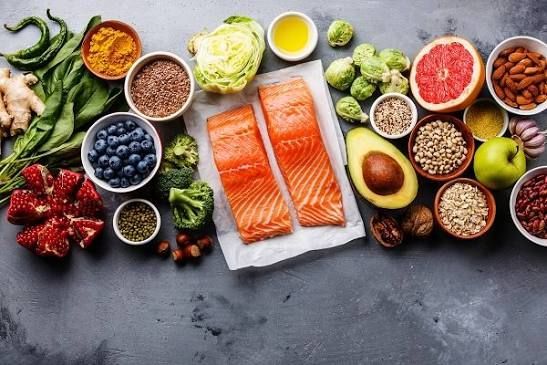
- Salmon, sweet potato, steamed broccoli, olive oil
- Lean ground beef, whole wheat pasta, marinara, salad
- Chicken breast, brown rice, roasted vegetables
Sleep (the non-negotiable)
This is where so much breaks down.
Why sleep matters for recovery:
- Sleep supports muscle repair, immune function, and mood
- Short sleep is linked to injuries: in a study of 112 middle and high school athletes, those averaging under 8 hours a night were more likely to get hurt
- Reaction time, decision-making, and learning new skills all suffer without enough sleep
The challenge:
- Young athletes often sleep less during season (adrenaline, soreness, early practices, late games, schoolwork, etc.)
- Teens 13–18 need 8–10 hours per night (American Academy of Sleep Medicine). During the season, aim for the top of that range
Making it happen:
- Consistent sleep and wake times, even on weekends
- No screens 30–60 minutes before bed
- Cool, dark bedroom
- No caffeine after 2 PM (energy drinks aren't recommended for teens at all)
- Light stretching or relaxation before bed
Active recovery days (the underused tool)
After a hard competition, your athlete shouldn't do nothing, but they also shouldn't push hard.
Active recovery options:
- Light 20–30 minute walk
- Easy swimming (no racing)
- Yoga or stretching
- Light foam rolling
- Mobility work
Why it works: Light movement increases blood flow without creating more muscle damage, and many athletes report less soreness afterward.
The Competition Season Nutrition Schedule
Here's what a week might look like for a young athlete with 2–3 competitions per week:
Monday (after weekend competitions)
- Focus: Recovery
- Big breakfast (carbs plus protein)
- Light pre-practice nutrition
- Full recovery meal for dinner
- 9–10 hours of sleep
Tuesday–Wednesday (training / practice days)
- Focus: Fuel for quality training
- Normal balanced meals
- Hydrate throughout the day
- 8–10 hours of sleep
Thursday–Friday (pre-competition)
- Focus: Fuel tank full, gut comfortable
- Slightly higher carbs
- Normal protein intake
- Good hydration
- Nothing too heavy or new before a game
- 8–10 hours of sleep (extra if possible before Friday night games)
Saturday–Sunday (competition days)
- Focus: Energy, recovery, hydration
- Carb-focused meal 1–4 hours before the game, lower in fat and fiber for gut comfort (ACSM joint position)
- Light snack 30–60 minutes before if hungry (banana, toast, peanut butter)
- Hydrate consistently before, during, and after
- Recovery snack or meal within 1–2 hours after the game
- 9–10 hours of sleep (especially Saturday night)
Common Mistakes (And How to Avoid Them)
❌ "They're already eating enough." Many young athletes aren't eating enough in-season. Growth plus training plus competition adds up to big nutritional demands
❌ "They can refuel later." Waiting to eat after a game slows refueling: in one study, a 2-hour delay cut the glycogen storage rate by about 45% in that window. It matters most when the next game is the same day or the next morning
❌ "Sports drinks are bad or just sugar." For competitions lasting 60+ minutes, drinks with carbs and sodium can help performance and rehydration (ACSM fluid replacement position stand). For shorter sessions, water is fine
❌ "If they're not thirsty, they're fine." Thirst is a useful signal, but many young athletes don't drink enough even when water is available, and most show up to practice already behind (2025 systematic review). They need a simple hydration plan
❌ "Sleep can wait until after season." Sleep during season is where recovery happens. Athletes who regularly sleep under 8 hours get injured more often (Milewski et al., 2014)
❌ "Skip meals before competition." Competing on an empty stomach is asking for poor performance. A carb-focused meal 2–4 hours before is the goal
Supplements: Do They Matter?
Parents often ask: Should my athlete take supplements?
The honest answer: For young athletes during competition season, focus on food first. Most of what they need can come from whole foods, and the major sports nutrition organizations say supplements generally aren't justified for young athletes, who make big gains just from growing, training, and eating well (ACSM joint position).
A few notes on the common ones:
✅ Whey protein powder: Convenient after games when whole food isn't available, but not necessary for most teens. Supplements aren't FDA-approved before sale, and a 2026 systematic review found about 9–15% of tested products contained banned or unlisted drugs. Choose products with a third-party seal such as NSF Certified for Sport or Informed Sport
⚠️ Creatine monohydrate: Well-researched in adults, but the American Academy of Pediatrics recommends against performance-enhancing supplements, including creatine, for athletes under 18. Talk with your pediatrician before considering it
✅ Multivitamin: An insurance policy if their diet isn't perfect, not a replacement for good nutrition. Vitamins won't boost performance unless they fix a real deficiency
❌ Pre-workout drinks and energy drinks (high caffeine): Not appropriate for young athletes
❌ Fat burners: Not appropriate, especially during competition season, when your athlete needs calories. These are also among the products most often found contaminated with banned or unlisted drugs
Bottom line: Supplements should support a good diet, not replace it.
Nutrition & Recovery for the Somerset County Young Athlete
If your athlete is competing in Somerset or neighboring counties this fall, proper nutrition and recovery are your competitive advantages.
Most young athletes compete on default nutrition and sleep. Your athlete can be fueled strategically, recovering intentionally, and performing at their best week after week.
The Bottom Line
Competition season is a physiological marathon. Your athlete's body is being asked to:
- Compete at high intensity 2–3 times per week
- Train in between
- Grow (they're still developing)
- Handle school and life stress
Without proper nutrition and recovery, their body breaks down. With it, they stay healthy, perform consistently, and actually thrive through the season.
Want a Personalized Plan for Your Athlete?
Proper nutrition during season is one piece of the puzzle. The other piece is strategic training that supports, rather than conflicts with, their competition schedule.
At TEST Fitness, we work with young athletes and their families to create complete in-season plans that cover:
- Tailored nutrition guidance (we can connect you with a registered sports dietitian)
- Recovery-focused training programming
- Communication with coaches to ensure everything works together
If your athlete is competing this fall and you want to make sure they're truly set up to succeed and stay healthy, let's talk.
Schedule a free athletic assessment – we'll evaluate your athlete, identify weak points, and show you exactly how in-season training, recovery and nutrition could make a difference. Or reach out to Kevin Coyne with any questions or to schedule your athlete’s complementary assessment: email: kevin.coyne@team-test.com, cell: 908-895-6585
About the Author: Colby Swanson, Certified Strength & Conditioning Coach (CSCS), specializes in youth athletic development and injury prevention at Test Fitness. With 5+ years of experience working with professional and youth athletes across soccer, basketball, football, and other sports, he is passionate about keeping athletes healthy and helping them reach their potential.
Sources & Research
- Thomas DT, Erdman KA, Burke LM. Nutrition and Athletic Performance: Joint Position Statement of the American College of Sports Medicine, Academy of Nutrition and Dietetics, and Dietitians of Canada. Medicine & Science in Sports & Exercise, 2016.
- Sawka MN et al. American College of Sports Medicine Position Stand: Exercise and Fluid Replacement. Medicine & Science in Sports & Exercise, 2007.
- Protein intake in adolescent athletes. Journal of Physical Education and Sport, 2025.
- Optimizing Performance Nutrition for Adolescent Athletes: A Review of Dietary Needs, Risks, and Practical Strategies. Nutrients, 2025.
- Ivy JL et al. Muscle glycogen synthesis after exercise: effect of time of carbohydrate ingestion. Journal of Applied Physiology, 1988.
- Children, Adolescents and Urine Hydration Indices: A Systematic Literature Review on Athletes and Non-Athletes. Children, 2025.
- Hydration and Performance. National Strength and Conditioning Association.
- Fat: Nutrition & Health Info Sheet (Institute of Medicine macronutrient ranges). UC Davis Department of Nutrition.
- Paruthi S et al. Recommended Amount of Sleep for Pediatric Populations: A Consensus Statement of the American Academy of Sleep Medicine. Journal of Clinical Sleep Medicine, 2016.
- Milewski MD et al. Chronic lack of sleep is associated with increased sports injuries in adolescent athletes. Journal of Pediatric Orthopaedics, 2014.
- Performance-Enhancing Sports Supplements: Information for Parents. American Academy of Pediatrics (HealthyChildren.org).
- Systematic review of undeclared prohibited substances and pharmacological adulterants in dietary supplements. Frontiers in Sports and Active Living, 2026.